
The pay-per-click (PPC) and overall Paid Media landscape continues to undergo a rapid transformation this year — and surely, into the next as well.
Our team shared their expert predictions for the fresh PPC trends last year, offering valuable insights to help you stay ahead.
This year, we’re back with a new forecast for what’s ahead so our clients and fellow Paid Media marketers can evolve with the times. Driven massively by advancements in AI, shifting user behavior, and the need for more diversified strategies, 2026 promises many opportunities for marketers to enhance their campaigns.
New Paid Media & PPC Trends for 2026
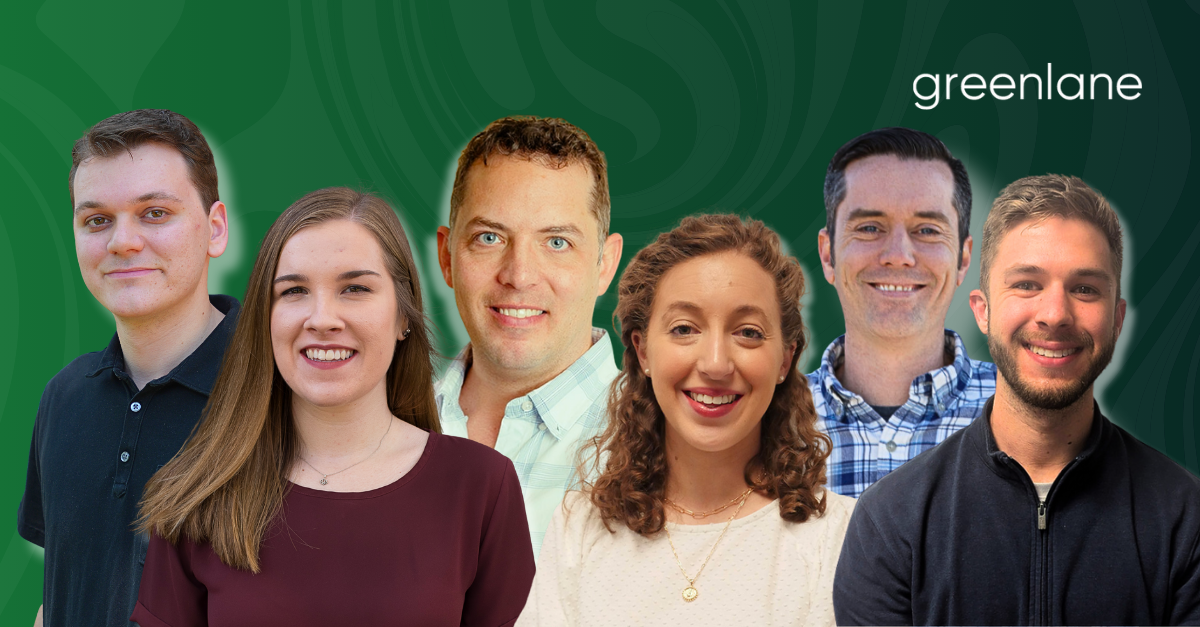
I asked our Paid Media team to share their biggest predictions for the online advertising landscape. After looking through their observations from this year and thoughts on 2026, I’ve mapped out a few themes:
1. AI’s Role in Ad Creative Will Continue to Grow
AI has been the hottest topic for digital marketers all around in 2025. We’ve all been seeing Google’s AI Features take over the SERPs for both SEO and ads.
Artificial Intelligence will remain the biggest force shaping the future of Paid Media and PPC, moving beyond simple automation and into the core of creative production — and even platform ecosystems.
According to Ben Vecellio, AI will continue shaping PPC, for better or for worse. “We are already seeing both the benefits and limits.” While AI-generated copy and creative can “significantly improve performance,” there are also many cases where tech-fueled AI suggestions fall short.
This highlights the need for a balance, as Ben cautions that “the companies that separate themselves will be the ones that combine the efficiency of AI with a clear mission, a strong identity, and truly differentiated creative.”
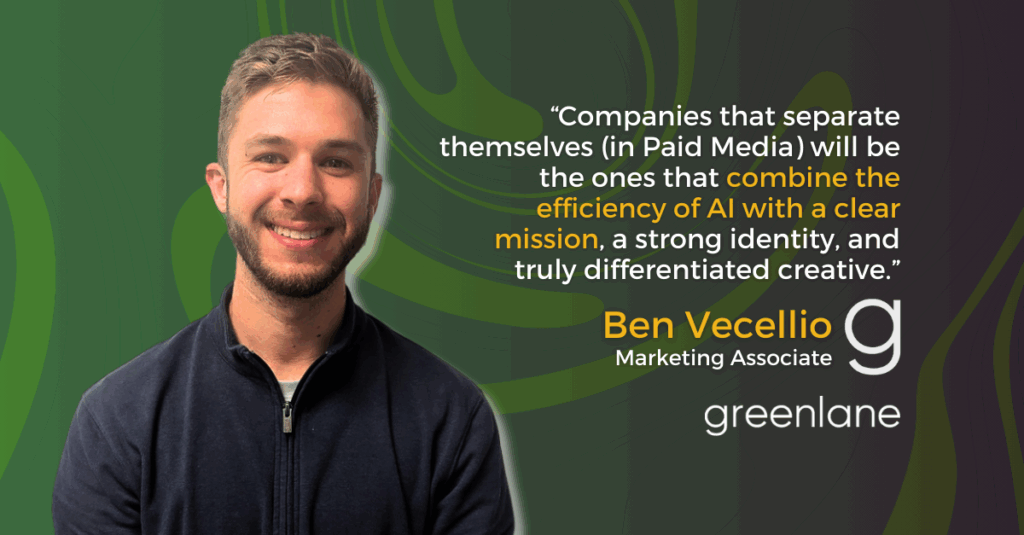
This hybrid approach extends to campaign management. Ben is “optimistic about continued automation in platforms like Google and Meta,” but remains cautious. He warns that “as more advertisers rely on the same AI systems, we risk seeing a wave of similar ads that prioritize budget over quality.”
That’s why it remains more crucial than ever before to not let AI take the wheel and drive Paid campaigns on its own. We need human decision makers to leverage AI-assisted writing and automation as a starting point, with experts reviewing and refining campaigns manually. We do not see the need for the human touch in marketing decreasing in 2026, even as AI makes advancements.
2. Successful Campaigns Will Hyper Focus on Intent & Personalization
A major shift predicted for PPC in 2026 is the monetization of AI-native platforms, fundamentally changing how marketers target and optimize their campaigns.
Ethan Goodman forecasts that, “2026 will mark the first real shift toward PPC ecosystems built directly inside AI assistants.” As platforms like ChatGPT begin monetizing, “marketers will need to optimize for intent expressed in dialogue, not just keywords.”

Christian Wenzel adds to this, that with ads coming to ChatGPT and similar models, “top-funnel discovery is moving into conversational environments that understand user intent with far more context than a typed query.”
Ethan believes these AI-native ad formats will blend seamlessly into user interactions, leading to a new level of personalization. The result, Ethan explains, is “a new frontier where ad experiences are shaped by the full context of a dialogue, enabling personalization that goes far beyond traditional targeting signals.”
What does this mean for Paid Media and PPC in 2026? It’s more important than ever to know your audience and understand what drives their motivations and pain points.
3. More Diversified Channels & Cross-Platform Journeys That Will Require Better Tracking
The focus is moving beyond the exclusive duology of Google and Meta as King and Queen of the ads world, with increasing attention on emerging channels like Connected TV (CTV) and a greater need for accurate, cross-platform tracking.
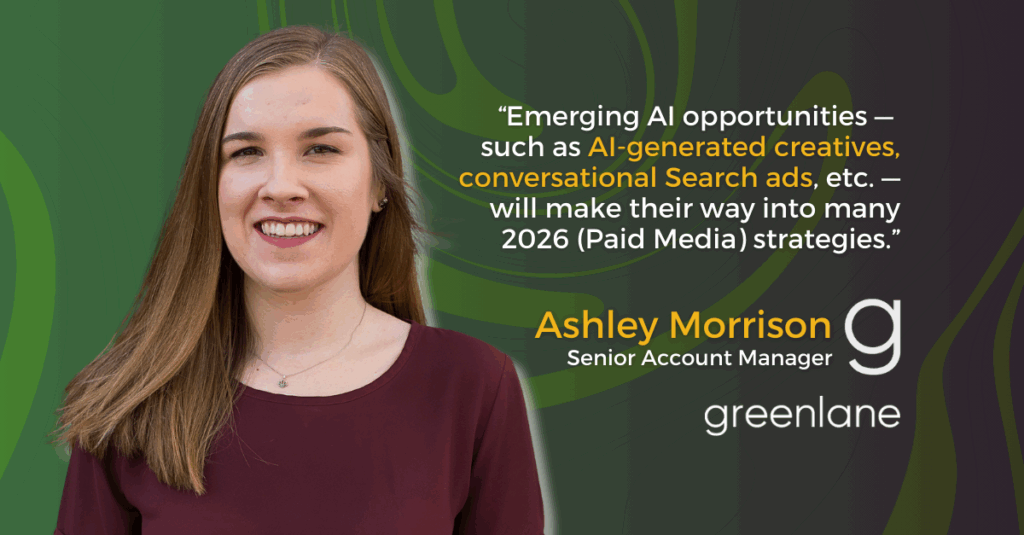
Ashley Morrison predicts that “companies will continue to diversify their portfolios.” We won’t ignore “channels with proven ROI” like Google (obviously), but fresh channels like CTV and “emerging AI opportunities — such as AI-generated creatives, conversational Search ads, etc. — will make their way into many 2026 strategies,” according to Ashley.
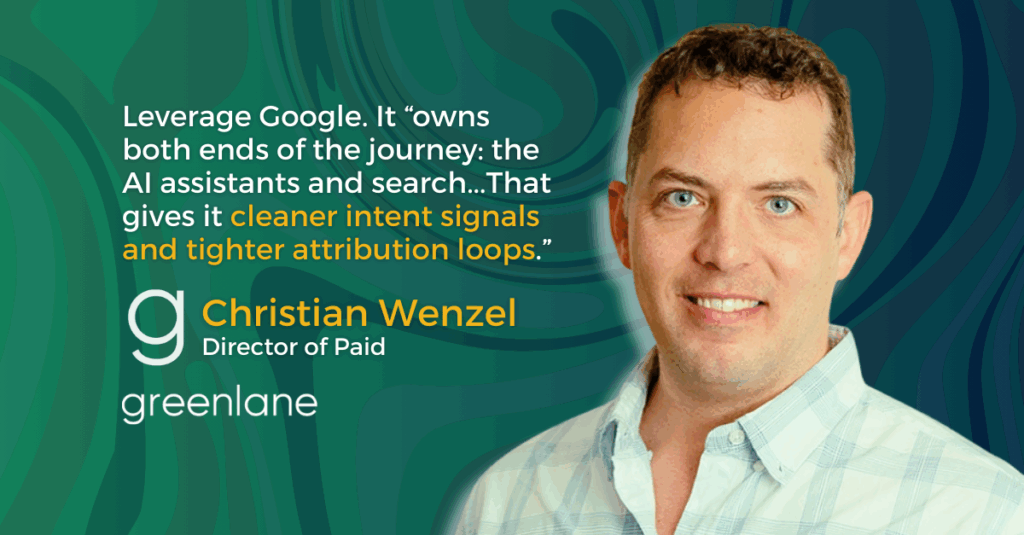
In fact, Christian urges us to leverage Google’s treasure trove of data to our advantage in Paid Media in 2026. He elaborates, “Google regains a structural advantage because it owns both ends of the journey: the AI assistants where early-stage research happens and the traditional search surfaces where bottom-funnel conversions still occur. That gives it (Google) cleaner intent signals and tighter attribution loops.”
This diversification makes accurate measurement paramount, as Ashley notes that “accurate cross-platform tracking will be of key importance in hitting customers at crucial touchpoints along the customer journey.”
Keith Urban has been vocal all year in 2025 about the issue of fragmentation in cross-channel tracking. Jessica Wisniewski echoes this Paid Media and PPC theme, observing that “lines between channels will continue to blur (social media, e-Comm, paid search, TV, etc.)” into the new year. If you aren’t already, 2026 is the year to centralize your data in a shared tracking environment and make sure UTMs are standardized to avoid misattribution.
But it’s not all risk-driven. There are a lot of positives to this evolution. Ben points out that diversification creates a significant opportunity for smaller players, as “AI gives them access to high-level tools that used to be available only to large companies.” To stay competitive, small businesses “will need to put story first, reach customers more personally, and diversify their marketing beyond what automated systems can control.”
4. A Demand for Channel-Specific Strategies, Not One-Size-Fits-All Campaign Rollouts
As platforms continue to evolve to allow for in-app purchases, people will be able to make faster decisions and make more speedy ad buyer’s journeys.
In 2025, we’ve already been seeing the gap between discovery and purchase rapidly closing, especially in social and streaming environments.
Jess highlights the decrease in the gap between discovery and purchase, noting that “discovery/ad views, add to cart, and checkout will occur more often right within the social apps (TikTok, Instagram, etc.)” in the new year. This has been such a trend in Paid Media in 2025 already, Christian wrote an entire blog about recognizing the growth of Social Commerce.

These shortened purchase paths increase the importance of channel-specific targeting and creative.
5. Retargeting Campaigns Will Get Even Smarter (& More Ethical) with Zero-Party Data
The industry-wide shift away from third-party cookies is accelerating the move toward using first-party data for targeting, but 2026 will see zero-party data emerge as the new focus for smart marketers.
Keith believes that “zero-party data will start gaining traction as the new buzzword.” Zero-party data is information that a customer intentionally and proactively shares with a brand, such as their communication preferences, purchase intentions, or personal context. This valuable, declared information is the key to creating highly relevant and consented ad experiences that bypass tracking restrictions and provide better ROI.
Keith predicts that brands will increasingly adopt strategies to gather this information directly from consumers. This involves implementing tools like preference centers, interactive quizzes, and on-site experiences to capture explicit customer desires.
Unlike inferred data, zero-party data comes with a high degree of trust and accuracy, giving marketers a clear, actionable signal of intent. This ethical data collection method allows for personalization that respects user privacy while still delivering highly relevant content.
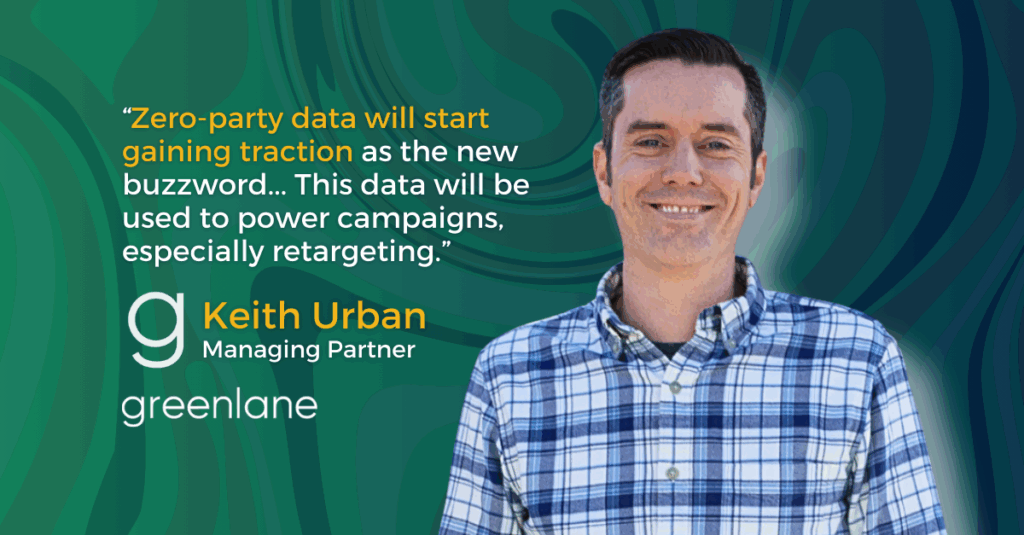
“This data will be used to power campaigns, especially retargeting,” in 2026, according to Keith. Instead of relying on a customer’s browsing history or broad segments, retargeting campaigns will be powered by a customer’s stated preferences and goals.
For example, if a quiz reveals a user is saving for a vacation or is interested in a specific product feature, the retargeting ad can directly address that expressed need, making the ad feel less intrusive and more like a helpful continuation of a conversation. This move ensures that ad spending is directed at audiences who have already raised their hand to indicate exactly what they want.
Stay On Top of Paid Media Trends with Greenlane Marketing
PPC advertising is entering a dynamic phase, driven by advancements in AI, the emergence of new platforms, and evolving user preferences.
At Greenlane, we excel at forecasting the future of search and helping clients stay ahead of the curve in their online marketing strategies. Let us do the same for you.
Subscribe to our blog for the latest PPC news and updates, or reach out today about your new year’s Paid Ads Strategy.
Share This: