
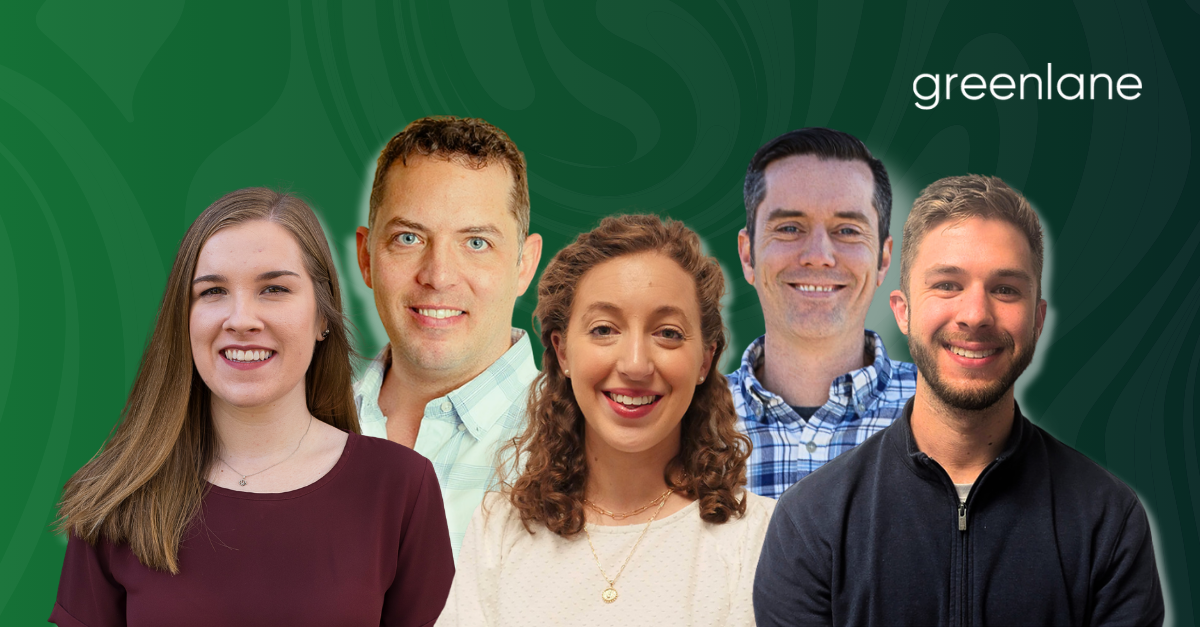
A Midpoint Check-In on Our 2026 Paid Media Trends Predictions
Back in December, our Paid Media team put their predictions in writing for what 2026 would bring to the world of online advertising. We covered AI’s growing role in ad creative, channel diversification, the rise of zero-party data, and the blurring of lines between discovery and purchase.
Now we’re at the halfway mark. Some of it landed. Some of it is still unfolding. And a few things came up in the last seven months that none of us saw coming.
In a team roundtable this July, we went prediction by prediction, gave honest verdicts, and then turned our attention to what we’re watching for to come. This post captures both halves of that conversation.
Here’s how our late 2025 predictions are stacking up mid-year.
1. AI’s Role in Ad Creative Will Keep Growing (In Progress)
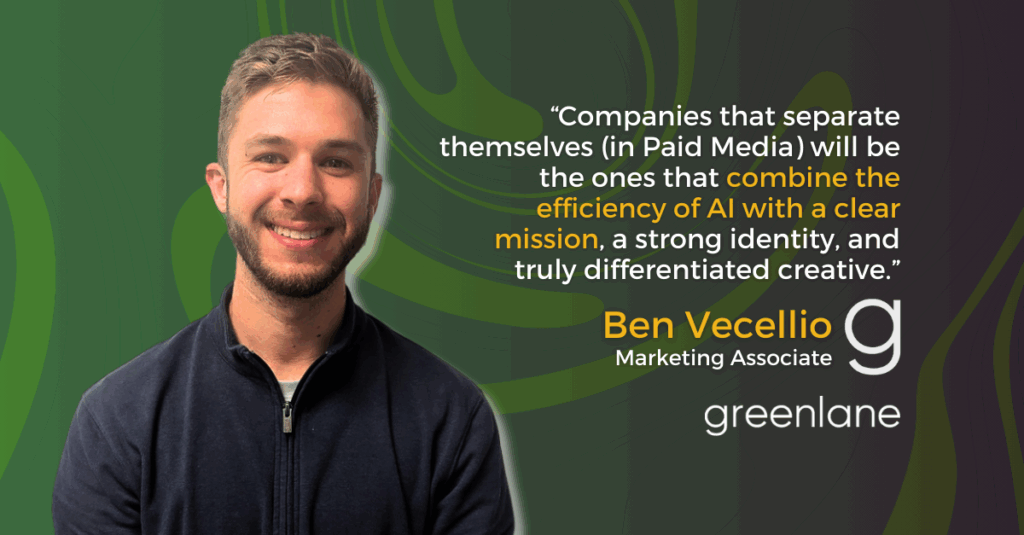
Original prediction from Ben Vecellio: AI will continue shaping PPC through creative production and automation. Advertisers who combine AI efficiency with strong brand identity will separate from those who don’t.
AI tools for ad creative are more embedded in platforms than ever. Meta’s AI-enhanced creative features are live and expanding. Google has been pushing AI Max aggressively, and Dynamic Search Ads are being automatically upgraded to AI Max starting in September 2026.
Here’s where it gets honest, though. Google’s headline numbers claim a 14% average conversion improvement for AI Max. Independent testing tells a different story: 84% of advertisers report neutral or negative results. The gap between what Google says and what advertisers experience is significant, and it’s exactly the reason Ben’s caution about “AI without guardrails” was right.
The teams and clients seeing real wins from AI ad tools are the ones who treat AI suggestions as a starting point, review everything, and make sure the brand identity isn’t getting diluted in the automation. That’s not a knock on AI; it’s just the reality of where the technology is.
2. Companies Will Diversify Into CTV and Emerging AI Ad Channels (In Progress)
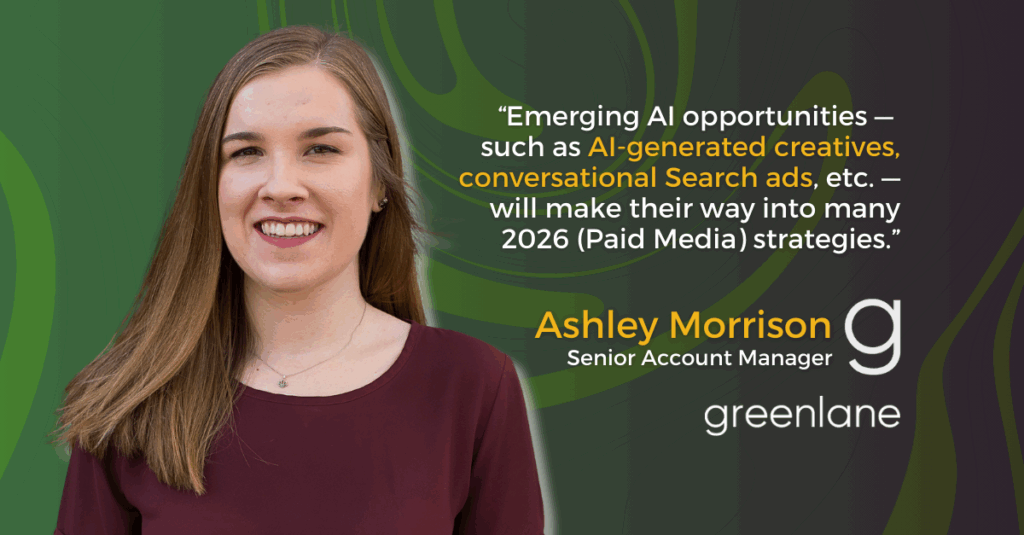
Original prediction from Ashley Morrison: Brands will expand beyond Google and Meta into CTV and AI-powered ad environments. Cross-platform tracking will become critical.
CTV adoption among smaller advertisers rose from 60% to 85% in just two years, driven largely by more accessible self-serve programmatic tools. That’s meaningful growth.
The challenges our team discussed internally, though, are real and worth naming. CTV targeting still has limitations. Location targeting across some platforms has been unreliable. Attribution is messy because last-touch measurement was never built for CTV, and too many advertisers are still using it. And as Keith Urban pointed out in our roundtable, the CTV experience right now still feels dominated by pharma, auto, and gambling. Smaller brands are getting in, but they’re getting drowned out in the inventory.
For AI-native ad placements: Google AI Mode now serves ads in 25% of AI overview SERPs, which is newer inventory. That channel is just opening up, and it’s one to watch.
3. Lines Between Channels Will Continue to Blur (In Progress)
Original prediction from Jessica Wisniewski: Discovery, add to cart, and checkout will happen more frequently within a single app. The gap between finding something and buying it is getting shorter.
This is happening, but adoption is slower than expected. YouTube is pushing long-form creator content with integrated product listings and Google Pay checkout. ManyChat has expanded its in-app DM commerce for Instagram, helping brands convert followers without ever leaving the platform. But widespread consumer behavior change takes time.

What has moved faster is the social commerce trend among younger audiences. But for most of our B2B and mid-market clients, this isn’t a primary channel yet. It’s one to watch and, for select clients, to test.
4. Keywords Are Becoming Less Important Than Topics & Intent
Jess also brought this up as her end-of-the-year prediction, and it connects to a broader shift we’re all feeling. The traditional keyword list approach to both SEO and paid search is getting less precise.
On the paid side, AI-driven campaign tools are rewarding advertisers who provide rich topic-level context about their business, rather than tight match-type keyword control. On the SEO side, Adam’s super long-tail zero-volume approach is a version of the same thing: it’s about the intent and the question, not the exact keyword string. This doesn’t mean keyword research goes away. It means the way we use it needs to evolve.
5. Conversational Environments Take Over Top-Funnel Discovery (Confirmed)
Original predictions from Christian Wenzel: Top-funnel discovery moves to conversational environments as AI learns to understand user intent. Google regains a structural advantage because it owns both ends of the search journey.
This one has held up well. In the original post, Christian wrote that “top-funnel discovery is moving into conversational environments that understand user intent with far more context than a typed query.” Seven months in, the team agrees that’s playing out. Jess put it plainly in the roundtable: keywords are becoming less important. What matters more is the intent and the conversation behind the search, whether that happens in Google AI Mode, ChatGPT, or anywhere else. People are starting their research differently, and the signals platforms are working with are richer and more contextual than a typed keyword ever was.
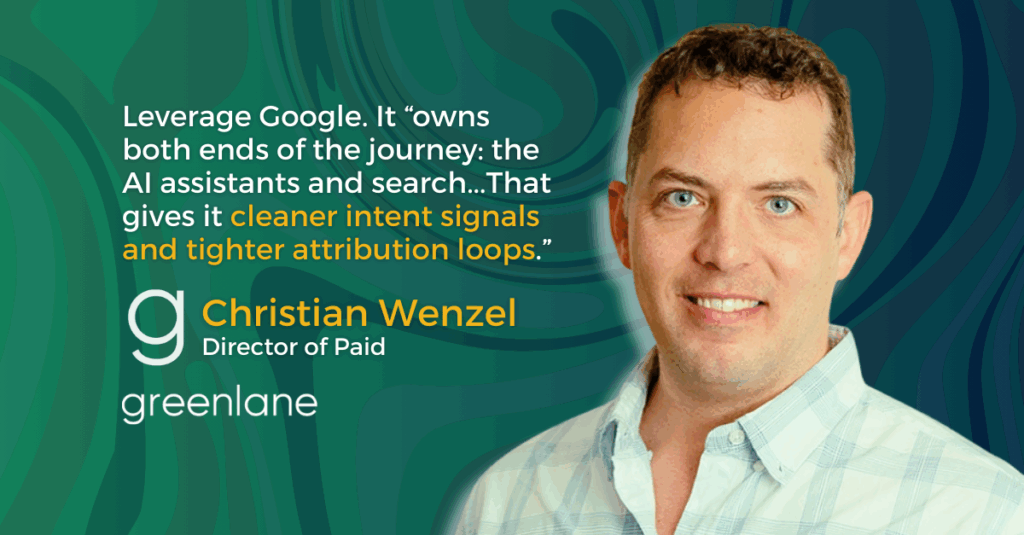
Christian’s argument was that because Google owns both the AI-assisted discovery layer and the traditional search layer, it has a tighter attribution loop than anyone else. The data at the halfway mark is mixed but directionally supportive. Google still commands roughly 90% of global search traffic, and anecdotally, the team is hearing less buzz about people switching their default searches to ChatGPT or Perplexity.
Google’s AI Mode has absorbed a lot of the conversational search behavior that could have gone elsewhere. At the same time, ChatGPT hit 1 billion monthly active users in May 2026, so Google’s “regaining” advantage is more of an ongoing defense than a decisive win. We’d call this one in progress.
6. Zero-Party Data Gains Traction as a New Buzzword (Missed, With a Caveat)
Original prediction from Keith Urban: Preference centers and quizzes will emerge as the way brands capture direct consumer intent, and zero-party data will become a mainstream marketing term.
Honestly, the buzzword never fully landed. Most marketers we talk to are still thinking in first-party data terms, not zero-party. That said, the underlying behavior Keith described is real. Brands like NHC are running ingredient-specific quizzes to build segmented email lists. It’s happening at the client level, even if the terminology hasn’t gone mainstream.
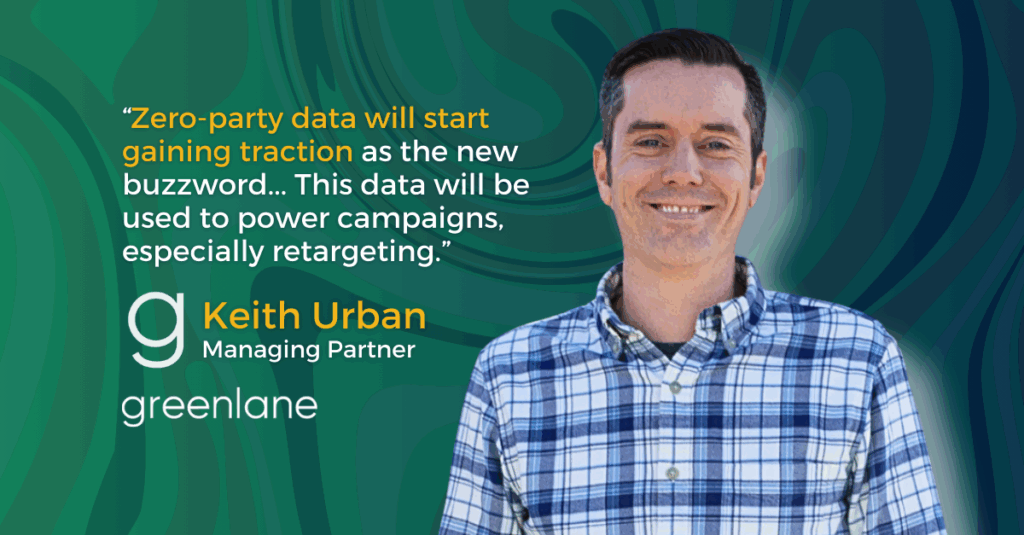
We’re calling this one “not quite” on the buzzword, but “in progress” on the actual practice.
Coming Next
Beyond the predictions above, two things came up in our roundtable that are worth flagging specifically for the paid side of the house.
Keith made an interesting call: he thinks the first rollout of AI-powered ad briefs is coming before the year is out. Not the ad itself, but a brief that feeds context directly into a platform and generates the campaign from there, replacing the traditional UI-based setup workflow. Whether Google or Meta gets there first is still an open question, but the direction is clear. Platforms want advertisers to input less and spend faster. If this lands, it’ll change how campaign strategy is documented and handed off.
Ben raised something that applies to paid and SEO equally: brands that don’t invest in top-of-funnel awareness are increasingly invisible. In AI-driven environments, the system recommends what it already knows. If your brand hasn’t built enough recognition signals across channels, you lose the auction before it starts, regardless of your bid. For paid teams, that’s a case for awareness campaigns that many clients still see as “nice to have” rather than necessary infrastructure.
In Paid Social, Creative and Messaging Are Now the Only Real Levers You Have (New Prediction)
New prediction from Glenna Gobeil, who joined the team this year
As Meta keeps rolling out AI-generated creative enhancements, image variations, and formatting tools, the platforms are essentially homogenizing what’s technically possible. Everyone has access to the same toolkit. That makes the work of crafting the right message for the right audience the only remaining true differentiator.
Glenna’s point from the roundtable was direct: “In order to convert them, the messaging and the creative quality have to be met.” You can use manual retargeting settings, you can build a new customer audience, but if the ad itself doesn’t land, none of the targeting matters.
What this looks like in practice is a greater emphasis on testing. Not just A/B testing headlines, but genuinely exploring what resonates with different audience segments, reading the data, and making informed decisions about what to recommend to clients. Relying on AI to handle creative on autopilot, without that human review layer, is where campaigns start to look indistinct, and performance softens.
This is especially relevant heading into Q4, when auction pressure rises and every dollar of creative waste shows up in your CPAs. The brands that win paid social the rest of this year will be the ones who put real thought into their message before they put money behind it.
Paid Media Updates Based on What’s Changed
If you read across all of these predictions, the theme for the rest of the year is preparation. The paid advertisers who finish 2026 strong will be the ones who did the foundational work: clean feeds, quality data feedback loops, strong creative, and brand presence that extends beyond the bottom of the funnel.
If you want to talk through what that looks like for your specific programs, let’s connect.

![The Big List of PPC Resources and Articles [Updated for 2025]](https://www.greenlanemarketing.com/wp-content/uploads/2021/08/12-768x401.png)