


Google’s latest March 2025 Core Algorithm Update started on March 13, 2025 and completed about 14 days later on March 27, 2025. Like any Core Update the search engine pushed out, this algorithm shift has left many SEOs scrambling to understand the ripple effects on local search rankings. Some site owners shared with the search community their panic at stark drops — and we wanted to get a full look at what changed.
In a detailed analysis spanning six major industries, our Senior SEO Account Manager, Adam Wells, explains that a clear but surprising pattern emerged: local landing pages shifted in SERP visibility, but not always in ways you’d expect.
Here’s a breakdown of the study’s key findings and what your business should do next:
The Local Shake-Up: An Industry Deep Dive
Adam examined websites across Legal, Health, Finance, Real Estate, Auto, and Travel verticals, all industries where location-based pages are typically a major traffic driver.
Using ranking data from before and after the update (process linked at the end of the article!), the study tracked which keywords shifted between local pages (e.g., /locations/city) and non-local pages (like homepages or service pages).
Here’s what we found in this study of the March 2025 Core Algo Update:
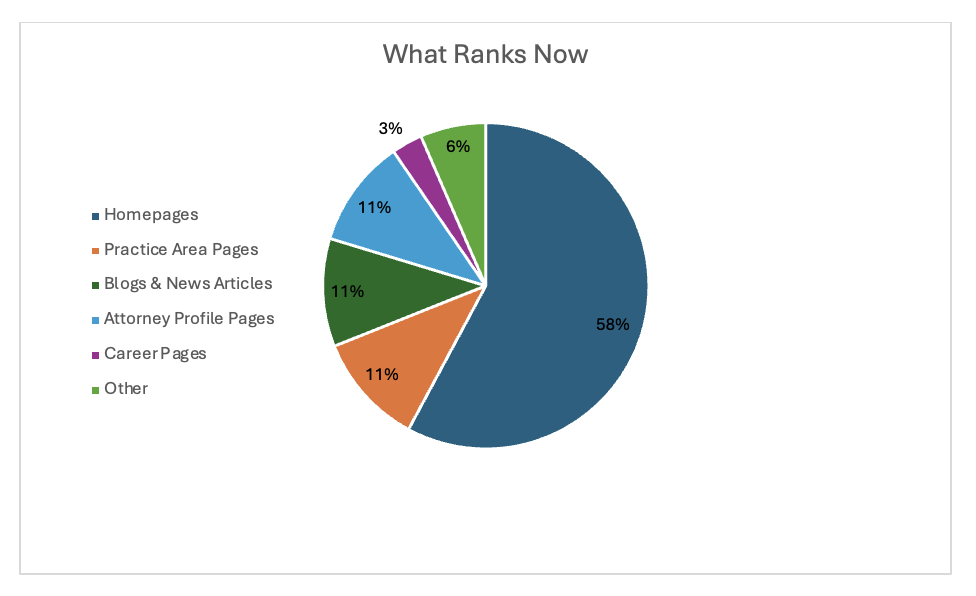
Legal: A Stable Sector
Out of 7,979 local keywords, just 3.3% shifted, and gains perfectly balanced losses. It’s one of the few industries where local and non-local pages both saw improvements, suggesting Google isn’t rebalancing legal location rankings. just yet.
Health: A Major Drop
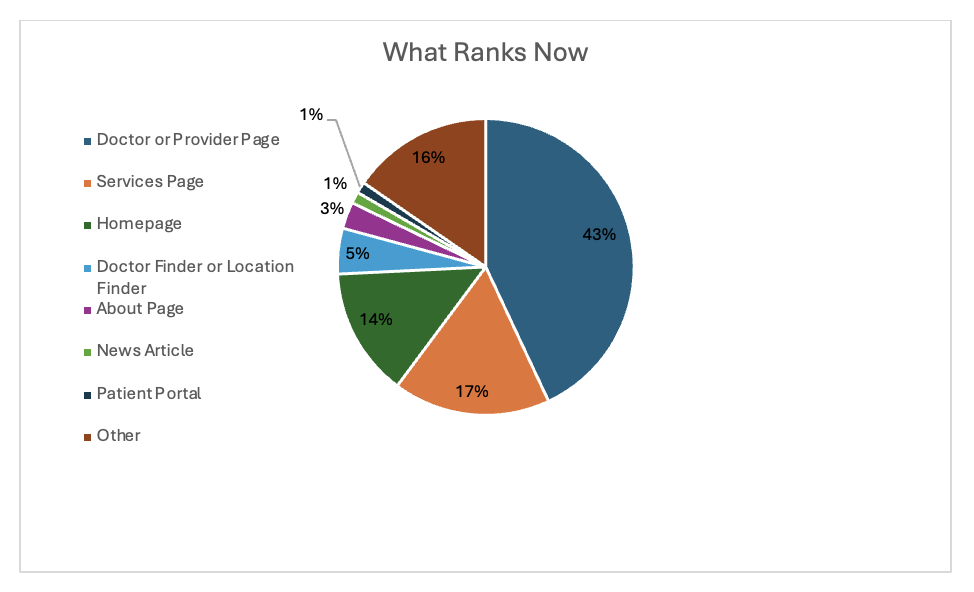
Health websites experienced the biggest hit to local rankings, with 11.2% of local keywords shifting to non-local pages, and most of those keywords losing ranking positions. Only 3.7% shifted the other way. This change suggests Google is favoring more specific doctor or service pages over general location directories.
Finance: Directional Change with Positive Results
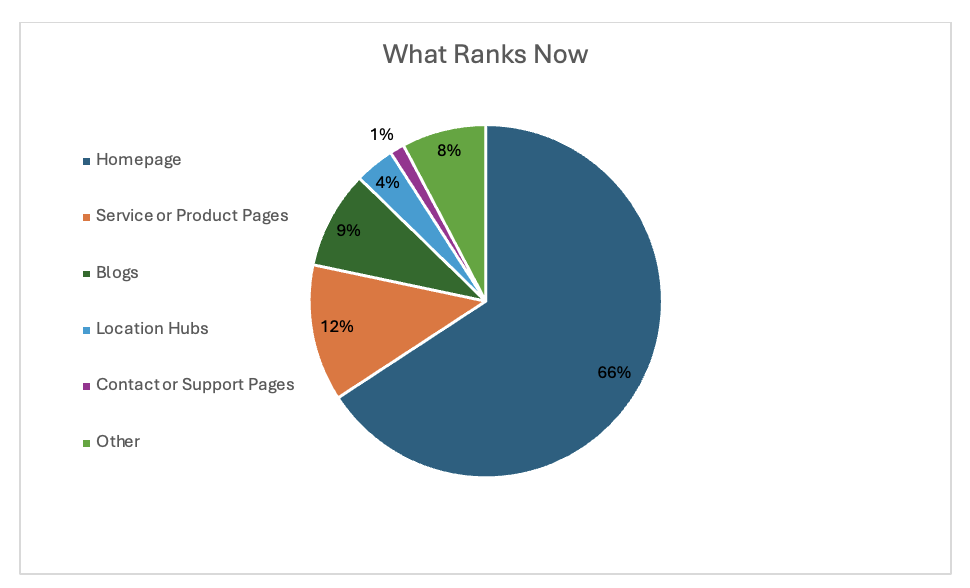
The finance industry saw a significant 7.5% of keywords leave location pages, and only 3.9% go the other way. However, many of these shifts resulted in improved rankings, indicating that non-local pages may be seen as more authoritative for YMYL (Your Money or Your Life) topics.
Real Estate: Minimal Disruption
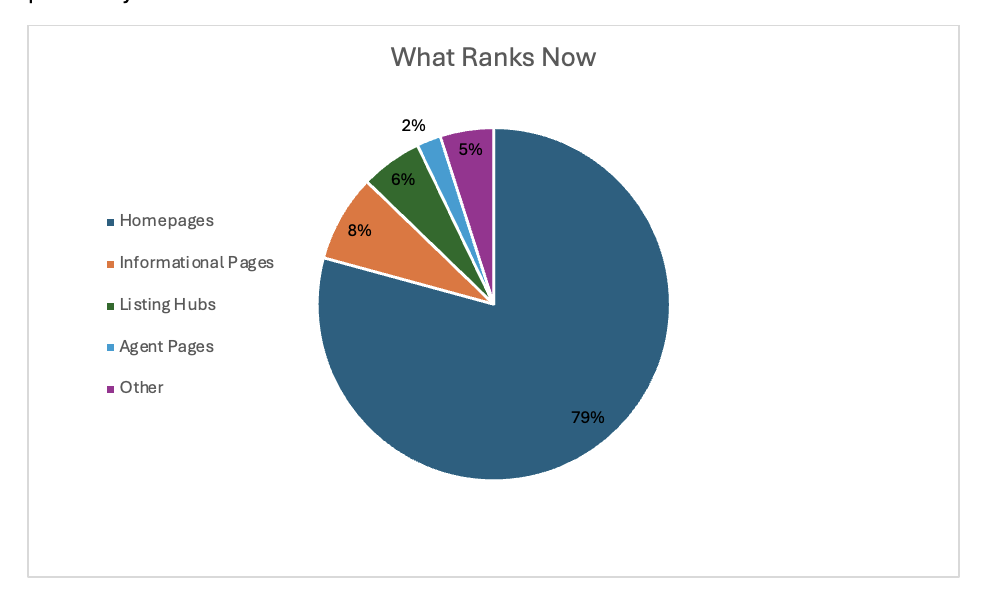
Real estate had the lowest shift rate (2.5%), with most keyword moves going to homepages, likely due to expiring listings. Rank increases outpaced losses here, and AI overviews didn’t displace a single organic result in this niche.
Auto: Moderate Movement, Mixed Outcomes
About 3.2% of keywords moved off location pages. Interestingly, keywords shifting to local pages performed better than those shifting away — making this a “watch and wait” vertical.

Travel: Granular Is Better
In travel, roughly 3.2% of rankings moved both to and from local pages. Here’s the twist: keywords now rank better when they point to individual listings like hotels or flight routes rather than city-level landing pages. Travel also saw the largest rise in AI overviews and disproportionately heavy People Also Ask usage (including a small percentage of Things to Know” occurences).

The Bigger Picture: What’s Google Really Doing?
This study on the March Core Update 2025 found that in 4 out of 6 industries, between 2.5% and 3.5% of location-based rankings shifted to non-local pages — a percentage too consistent to dismiss as coincidence. Google may be testing whether location pages are necessary at all, especially given their frequent issues with duplicate or thin content, which is a common problem on websites with a large number of location pages..
Despite the AI panic, organic rankings stayed organic. AI overviews didn’t replace local rankings in any meaningful way — except in travel.
So, Should You Ditch Location Pages?
Not so fast. Here’s what we recommend:
- If your site doesn’t have more granular pages (like doctor profiles or hotel listings), keep your local pages strong. A 3% shift isn’t worth overhauling your strategy.
- If you’re in a YMYL industry, monitor closely. Health and finance are seeing the strongest shifts away from local pages, suggesting a trend worth preparing for.
- If you have detailed pages beyond just city-level, optimize those instead. Travel and health sites, for example, may benefit from targeting location-specific queries on lower-funnel pages.
- Add value to location pages with schema markup, unique content, and user-centric details. The days of generic city pages may be numbered.
Want the Full Breakdown?
Google’s March 2025 Core Update may have quietly tested the role of location pages. While shifts were relatively small, the consistency across industries — and the clear preference for deeper, more relevant content — should be a wake-up call for local SEO strategies in 2025 and beyond.
Download the full 11-page study to get vertical-specific charts, methodology, and in-depth recommendations. It’s a must-read for SEOs, CMOs, and anyone managing multi-location sites.
Share This: